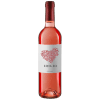
Rosé Wine
Alcoholic (~12% ABV) Wines & Fortified Wines
Rosé wine is a style of wine made from fermented grapes with limited skin contact, producing a pink hue and a balance between freshness and light structure.

Flavor & Technical
This section summarizes the sensory balance and technical behavior of Rosé Wine when used in cocktails, combining perceived flavor intensity with functional roles.
Flavor balance and intensity
Technical characteristics
How Rosé Wine works in cocktails
Rosé Wine is analyzed here as a working cocktail ingredient: how it changes flavor, what role it plays in a build, when it should be substituted, and which recipe patterns it supports.
Flavor role in cocktail balance
Rosé wine delivers a fresh, bright profile combining red-berry fruit , citrus notes, and subtle floral nuances with crisp acidity and minimal tannic structure. Depending on grape variety and vinification, it can range from very dry and mineral-driven to slightly round and fruit-forward, consistently emphasizing refreshment, balance, and drinkability rather than depth or oxidative character.
Best uses behind the bar
Rosé wine is used as a still wine base to add freshness, light fruit character, and acidity. It performs well in wine-based aperitif and spritz-style compositions, contributes brightness to frozen or chilled serves, and can be used in cooking to add delicate fruitiness and acidity to light sauces, poached fruits, and reductions.
Substitutes in cocktail builds
White wine or sparkling wine can substitute for rosé wine when acidity and freshness are the priority, though substitutes lack red-fruit character. Light-bodied red wine diluted with soda can approximate color and fruit notes but introduces more tannin. Non-alcoholic rosé or grape-based blends can replace rosé in alcohol-free contexts without replicating fermentation complexity.
Production and style context
Rosé wine has ancient origins, as early winemaking techniques often resulted in lightly colored wines due to short skin contact. Over time, rosé developed into a distinct style, particularly refined in regions such as Provence, where it became associated with freshness, elegance, and warm-climate drinking culture.
Mixology notes
Rosé wine is rarely made by blending red and white wine ; instead, its color comes from controlled skin contact during fermentation. Variations in grape variety, maceration time, and winemaking technique produce shades ranging from pale salmon to deep pink, each reflecting stylistic intent rather than sweetness level.
Explore cocktails with Rosé Wine
Use these child hubs to compare Rosé Wine across repeated cocktail patterns instead of reading recipes one by one. Each link groups recipes by a different structural signal.

Cocktails using Rosé Wine
All cocktails in our collection that feature Rosé Wine as a core ingredient.
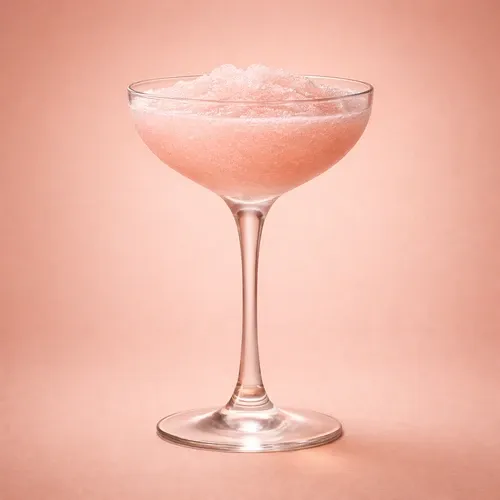
Frosé


Ingredients for Frosé — 4 total (3 shown, 1 more hidden).
+1