Raspberry Liqueur
Alcoholic (~Commonly around 15-20% ABV depending on producer.) Liqueurs & Cordials
Raspberry liqueur is a sweet red berry liqueur used in cocktails for raspberry aroma, tart fruit depth, color, and alcoholic sweetness.
Flavor & Technical
This section summarizes the sensory balance and technical behavior of Raspberry Liqueur when used in cocktails, combining perceived flavor intensity with functional roles.
Flavor balance and intensity
Technical characteristics
How Raspberry Liqueur works in cocktails
Raspberry Liqueur is analyzed here as a working cocktail ingredient: how it changes flavor, what role it plays in a build, when it should be substituted, and which recipe patterns it supports.
Flavor role in cocktail balance
Raspberry liqueur is sweet, berry-forward, lightly tart, and aromatic, with a brighter red-fruit character than strawberry liqueur . Premium versions taste of fresh raspberries with subtle seed tannins; simpler versions lean candy-like. It contributes both sugar and alcohol, so additional syrup should be adjusted accordingly.
Best uses behind the bar
Used in French Martini variations, berry sours, Champagne cocktails, dessert drinks, fruit Martinis, vodka drinks, gin drinks, and raspberry highballs.
Substitutes in cocktail builds
Chambord or black raspberry liqueur serves as a classic substitute. Raspberry syrup is non-alcoholic and sweeter. Strawberry liqueur is softer. Blackberry liqueur is darker and more tannic.
Cocktail using Raspberry Liqueur
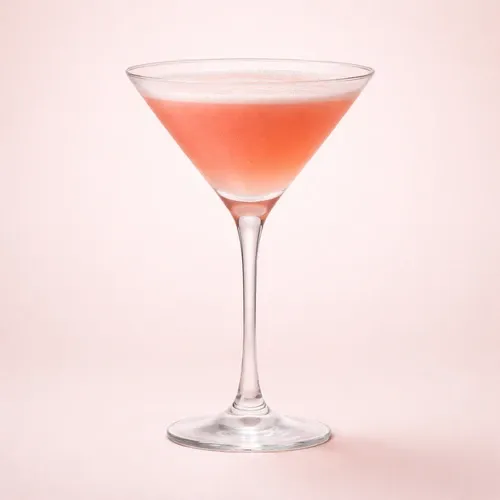
The only cocktail in our collection that features Raspberry Liqueur as a key ingredient.