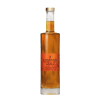
Orange Rum
Alcoholic (~Typically 30–40% ABV) Spirits
Orange rum is a flavored rum infused or aromatized with orange peel, orange essence, or citrus oils. Built on a traditional rum base, it adds bright citrus aromatics and gentle sweetness while retaining the underlying character of sugarcane distillate.
Flavor & Technical
This section summarizes the sensory balance and technical behavior of Orange Rum when used in cocktails, combining perceived flavor intensity with functional roles.
Flavor balance and intensity
Technical characteristics
How Orange Rum works in cocktails
Orange Rum is analyzed here as a working cocktail ingredient: how it changes flavor, what role it plays in a build, when it should be substituted, and which recipe patterns it supports.
Flavor role in cocktail balance
Orange rum presents a smooth rum foundation lifted by fresh, aromatic orange notes. The citrus character is fragrant rather than acidic, contributing sweetness and brightness without sharpness. Compared to orange liqueurs, the fruit expression is less intense and more integrated, allowing the sugarcane distillate to remain clearly perceptible.
Best uses behind the bar
Orange rum is commonly used as a base spirit in tropical and citrus-forward mixed drinks, where it adds aromatic volume without excessive sweetness. It works particularly well in long drinks and spirit-and-mixer builds. In culinary applications, it is frequently used in baking and desserts, where the combination of rum warmth and orange aromatics forms a classic pairing.
Substitutes in cocktail builds
A standard white or lightly aged rum combined with a small amount of orange liqueur can approximate orange rum, though this typically increases sweetness and reduces dryness. A drier alternative is rum infused with fresh orange peel , which preserves citrus aroma while maintaining lower sugar levels.
Production and style context
Orange rum developed primarily as a modern extension of flavored spirits, created to expand rum 's versatility in contemporary drinking and export markets. While rum itself has deep Caribbean roots, orange-flavored expressions gained popularity in the late 20th century as producers explored citrus infusions to broaden appeal beyond traditional styles.
Mixology notes
Despite its name, orange rum is often clear or lightly golden rather than orange in color. The citrus aroma typically derives from peel oils instead of juice, which allows producers to enhance fragrance without introducing acidity or instability.