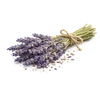
Lavender
Non-Alcoholic (~0% ABV as a fresh or dried herb.) Fresh Herbs & Botanicals
Lavender is a floral herb used in cocktails for perfumed aroma, gentle herbal bitterness, purple-floral identity, and delicate aromatic lift.
Flavor & Technical
This section summarizes the sensory balance and technical behavior of Lavender when used in cocktails, combining perceived flavor intensity with functional roles.
Flavor balance and intensity
Technical characteristics
How Lavender works in cocktails
Lavender is analyzed here as a working cocktail ingredient: how it changes flavor, what role it plays in a build, when it should be substituted, and which recipe patterns it supports.
Flavor role in cocktail balance
Lavender presents floral, perfumed, and herbal characteristics with a slightly sweet aroma and light bitterness. It complements gin , lemon , honey , berry, tea , and sparkling elements with elegance, though overuse rapidly produces soapy or medicinal notes. Best applied through syrups, tinctures, infusions, or restrained aromatic finishing.
Best uses behind the bar
Used in lavender lemonades, gin fizzes, honey sours, sparkling aperitif drinks, tea cocktails, floral syrups, non-alcoholic coolers, and spring or garden-style cocktails.
Substitutes in cocktail builds
Chamomile offers a softer, tea-like profile. Rosemary provides more piney, savory notes. Violet syrup is sweeter and more intensely floral. Hibiscus contributes tartness and color but lacks comparable aromatic character.
Production and style context
Lavender has been cultivated for centuries across various cultures for medicinal and aromatic applications, with longstanding use in perfumery, culinary preparations, and beverages.
Mixology notes
Lavender was employed by ancient Greeks and Romans for therapeutic purposes and as a perfume ingredient. The herb functions effectively in both sweet and savory applications.
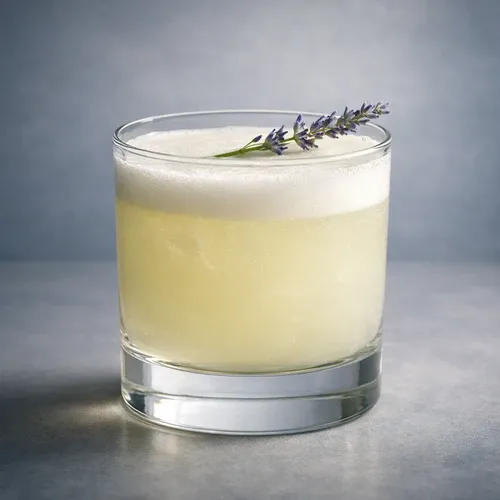
Cocktail using Lavender
The only cocktail in our collection that features Lavender as a key ingredient.