Food Coloring
Non-Alcoholic (~0% ABV) Other Extracts & Flavorings
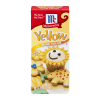
Food coloring is a neutral coloring agent used to alter or enhance the visual appearance of drinks. In mixology it functions as a color modifier with minimal to no flavor impact, typically added in drops to control hue without changing balance.

Flavor & Technical
This section summarizes the sensory balance and technical behavior of Food Coloring when used in cocktails, combining perceived flavor intensity with functional roles.
Flavor balance and intensity
Technical characteristics
How Food Coloring works in cocktails
Food Coloring is analyzed here as a working cocktail ingredient: how it changes flavor, what role it plays in a build, when it should be substituted, and which recipe patterns it supports.
Flavor role in cocktail balance
Food coloring is intended to be organoleptically neutral, contributing no meaningful aroma, sweetness, acidity, or bitterness. Its impact is visual rather than gustatory, affecting perception only through color cues.
Best uses behind the bar
Used as a visual modifier to achieve specific hues or reinforce thematic presentation. It is typically applied in very small amounts (drops) to avoid dilution and to maintain a clean flavor profile. It can also be used to standardize color across batches where ingredients vary naturally.
Substitutes in cocktail builds
Natural colorants such as beet juice, turmeric, butterfly pea tea , matcha, or other plant-derived pigments can substitute when a natural source is desired, though they often introduce flavor, aroma, acidity, or haze. Syrups and liqueurs with strong color can also shift hue while changing sweetness and structure.
Production and style context
Coloring agents have been used in foods and beverages for centuries to improve appearance and consistency. Modern synthetic dyes expanded in the late 19th and 20th centuries as industrial food processing developed, while contemporary trends have renewed interest in plant-based colorants.
Mixology notes
Many intensely colored drinks rely more on optical effects than pigment concentration. Small changes in hue can shift perceived flavor expectations even when the recipe remains unchanged. Some natural pigments are pH-sensitive, which is why certain botanical colorants can change color dramatically in acidic environments.
Explore cocktails with Food Coloring
Use these child hubs to compare Food Coloring across repeated cocktail patterns instead of reading recipes one by one. Each link groups recipes by a different structural signal.
By glass
Glassware reveals serving format and dilution strategy for Food Coloring, separating short, spirit-led serves from tall, warm, frozen, or lengthened drinks.


Cocktails using Food Coloring
All cocktails in our collection that feature Food Coloring as a core ingredient.