Cranberry Vodka
Alcoholic (~40% ABV) Spirits
Cranberry vodka is a flavored vodka produced by infusing or flavoring a neutral vodka base with cranberry-derived components such as juice, extract, or natural flavor compounds. It delivers tart fruit character and color while preserving vodka's clean, unobtrusive structure.
Flavor & Technical
This section summarizes the sensory balance and technical behavior of Cranberry Vodka when used in cocktails, combining perceived flavor intensity with functional roles.
Flavor balance and intensity
Technical characteristics
How Cranberry Vodka works in cocktails
Cranberry Vodka is analyzed here as a working cocktail ingredient: how it changes flavor, what role it plays in a build, when it should be substituted, and which recipe patterns it supports.
Flavor role in cocktail balance
Cranberry vodka presents a crisp, tart-driven profile characterized by pronounced cranberry acidity, light red-fruit aromatics, and a subtle tannic edge. Sweetness remains restrained and secondary, allowing the natural sharpness of cranberry to dominate. The underlying vodka base stays clean and neutral, finishing short and refreshing with a dry, bright impression rather than a rounded or sweet one.
Best uses behind the bar
Cranberry vodka functions as a flavor-forward base or modifier in refreshing, fruit-acid–driven mixed drinks where brightness and drinkability are prioritized. It appears frequently in simplified, speed-service highballs and juice-based serves, concentrating color and tartness in a single pour. In more contemporary mixed-drink builds, it is deployed in smaller proportions to boost red-fruit color, sharpen acidic impression, and counterbalance syrupy or liqueur-heavy components without adding sweetness.
Substitutes in cocktail builds
Standard vodka combined with cranberry juice or a concentrated cranberry infusion substitutes effectively, allowing precise control over acidity, sweetness, and color intensity. For a more complex non-alcoholic or low-alcohol alternative, a cranberry shrub replicates the fruit-tart bite and tannic dryness while contributing structured acidity. In simple no-alcohol applications, cranberry juice alone reproduces tartness and color, though without ethanol's aromatic lift and structural contribution.
Production and style context
Cranberry vodka emerged in the late 20th century alongside the rise of flavored vodkas, responding to demand for approachable spirits with added fruit character. Its popularity grew in parallel with the expansion of simple, juice-driven mixed drinks and casual cocktail culture.
Mixology notes
Cranberries naturally contain high acidity and tannins, which explains why cranberry-flavored vodkas read crisp and dry rather than sweet. This tart, slightly astringent profile helps maintain a perception of dryness in mixed drinks, making it a preferred choice for drinkers who favor bright flavors without a sugary finish.
Cocktail using Cranberry Vodka
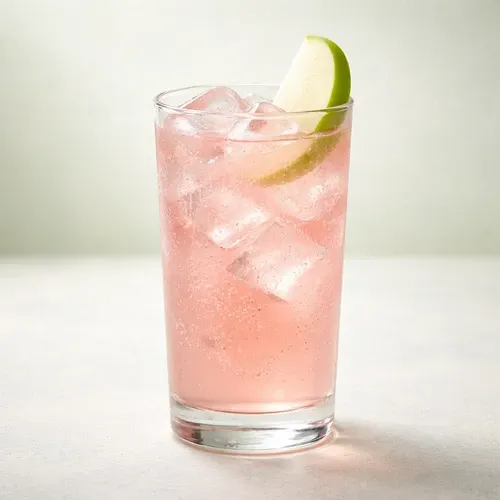
The only cocktail in our collection that features Cranberry Vodka as a key ingredient.