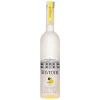
Citrus Vodka
Alcoholic (~40% ABV) Spirits
Citrus vodka is a flavored vodka produced by infusing or flavoring a neutral vodka base with citrus peels, juices, or natural flavor compounds derived from citrus fruits. It retains vodka's clean profile while adding vivid citrus character, designed to enhance freshness and aromatic brightness rather than structure.
Flavor & Technical
This section summarizes the sensory balance and technical behavior of Citrus Vodka when used in cocktails, combining perceived flavor intensity with functional roles.
Flavor balance and intensity
Technical characteristics
How Citrus Vodka works in cocktails
Citrus Vodka is analyzed here as a working cocktail ingredient: how it changes flavor, what role it plays in a build, when it should be substituted, and which recipe patterns it supports.
Flavor role in cocktail balance
Citrus vodka delivers a clean, bright profile dominated by citrus zest and juice notes such as lemon , lime , orange , and grapefruit. Acidity is perceptible but controlled, providing lift rather than sharpness, while sweetness remains low to moderate depending on formulation. The finish is crisp, fresh, and relatively short, emphasizing refreshment over complexity.
Best uses behind the bar
Citrus vodka is commonly used as a flavor-forward base or modifier in refreshing, citrus-driven mixed drinks where brightness and drinkability are the primary goals. It performs well in shaken and built drinks, highballs, and light Collins-style serves, adding aromatic lift and perceived acidity without increasing sweetness or body. It is also used in minimalist citrus-focused builds where fresh juice is reduced or omitted, allowing citrus aroma to remain integrated and clean.
Substitutes in cocktail builds
Standard vodka combined with fresh citrus juice or citrus peel infusion provides the most direct substitution, allowing precise control over acidity and freshness. For a more refined result, citrus bitters or a quickly prepared oleo saccharum can replicate the depth and persistence of citrus essential oils found in infused vodkas. Citrus-flavored sparkling water or lemonade may substitute structurally in low- or no-alcohol serves, though without ethanol's aromatic carrying power.
Production and style context
Citrus vodka emerged in the late 20th century as part of the expansion of flavored vodkas, responding to consumer demand for approachable, mixable spirits with added aroma. Its success helped define the modern flavored-vodka category and influenced the broader growth of flavored spirits worldwide.
Mixology notes
Many citrus vodkas rely primarily on citrus peels rather than juice to extract aromatic oils, which contribute brightness without excessive acidity. Citrus was the first flavored vodka category to achieve global mainstream success, paving the way for widespread acceptance of flavored spirits across multiple categories.