Anis
Alcoholic (~40% ABV) Liqueurs & Cordials
Anis is a traditional anise-flavored liqueur produced widely across Mediterranean and European countries. It is characterized by its pronounced licorice aroma, clear appearance, and the louche effect that occurs when diluted with water.

Flavor & Technical
This section summarizes the sensory balance and technical behavior of Anis when used in cocktails, combining perceived flavor intensity with functional roles.
Flavor balance and intensity
Technical characteristics
How Anis works in cocktails
Anis is analyzed here as a working cocktail ingredient: how it changes flavor, what role it plays in a build, when it should be substituted, and which recipe patterns it supports.
Flavor role in cocktail balance
Anis delivers an intense licorice-driven profile dominated by anethole, with perceived sweetness, low bitterness, and a warm alcoholic backbone. The flavor is aromatic, persistent, and linear, offering minimal herbal complexity beyond the anise itself.
Best uses behind the bar
Anis functions as an aromatic spirit base or modifier, providing strong anise character and sweetness. It contributes both alcohol structure and dominant licorice aroma, typically defining the drink's identity rather than serving as a background component.
Substitutes in cocktail builds
Anisette offers a sweeter, lighter alternative with lower alcohol content. Pastis and ouzo provide more complex herbal profiles, while sambuca delivers higher sweetness and viscosity with a more pronounced licorice emphasis.
Production and style context
Anise-based spirits have been produced for centuries across the Mediterranean, particularly in France, Italy, Spain, and Greece. Anis emerged as a generic category for clear anise liqueurs distilled or infused with aniseed.
Mixology notes
Anis turns cloudy when diluted with water due to the precipitation of anethole, a phenomenon known as the louche effect. This reaction is a defining characteristic of anise-based spirits.
Similar ingredients (by flavor & function)
Ingredients listed here share similar flavor characteristics or functional roles with Anis, making them comparable in certain cocktail contexts.
Comparable in recipe usage, but structured flavor data is incomplete for this ingredient.
Explore cocktails with Anis
Use these child hubs to compare Anis across repeated cocktail patterns instead of reading recipes one by one. Each link groups recipes by a different structural signal.
By preparation method
Preparation method shows how Anis behaves under technique: shaken for integration, stirred for clarity, built for direct length, heated for warmth, or blended for texture.

By glass
Glassware reveals serving format and dilution strategy for Anis, separating short, spirit-led serves from tall, warm, frozen, or lengthened drinks.


Cocktails using Anis
All cocktails in our collection that feature Anis as a core ingredient.
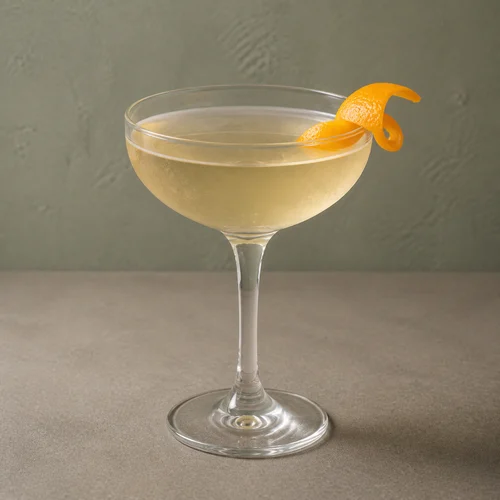
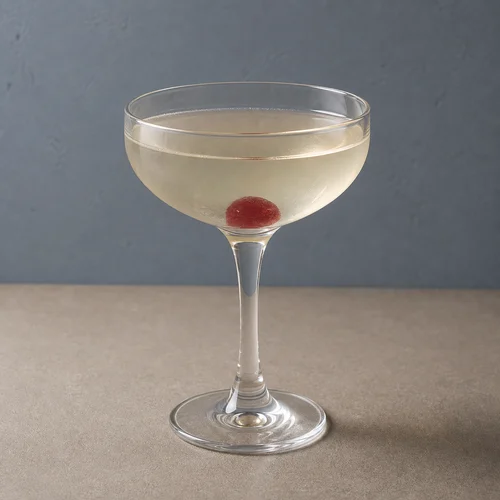
Turf Cocktail
Ingredients for Turf Cocktail — 5 total (3 shown, 2 more hidden).
+2