Layered Cocktails
Visual drinks built around density, color separation and controlled pouring
Explore layered cocktails and shots built for visual contrast, density control and dramatic presentation.
Explore sections by
30 cocktails found
Filter Cocktails by Letter
(No filters active)Page 2 of 2 Showing 21–30 of 30
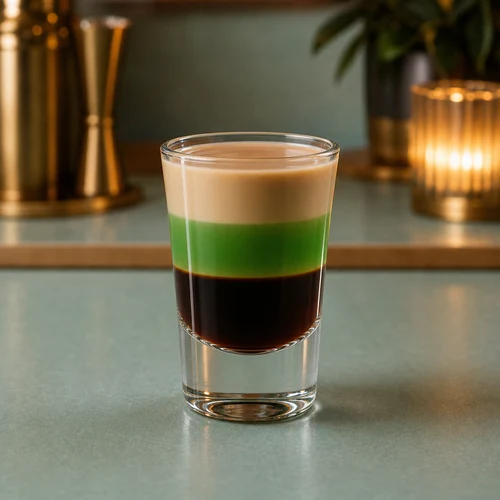
Quick F**K
Ingredients for Quick F**K — 3 total (3 shown).
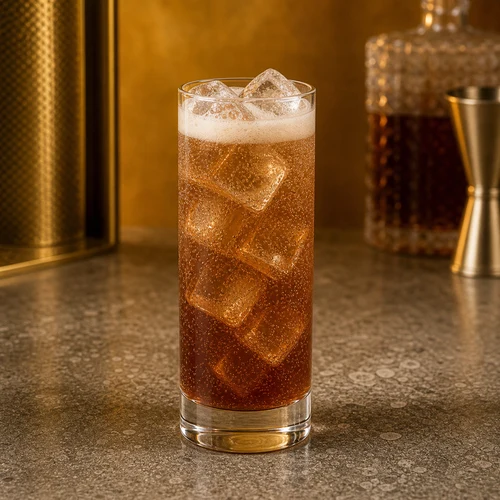
Royal Bitch
Ingredients for Royal Bitch — 2 total (2 shown).
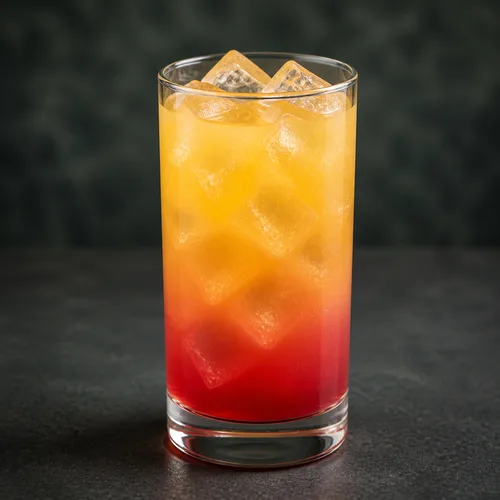
San Francisco
Ingredients for San Francisco — 4 total (3 shown, 1 more hidden).
+1

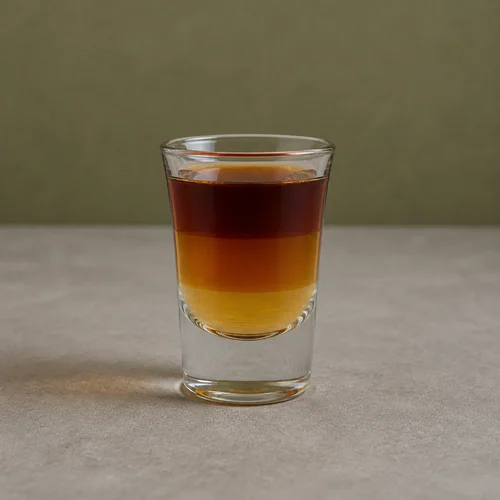
Shotgun
Ingredients for Shotgun — 3 total (3 shown).
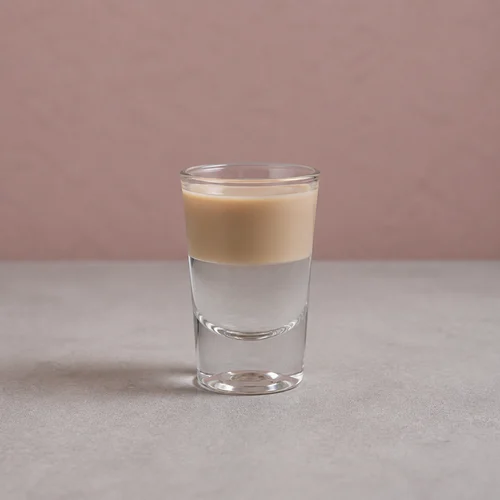
Slippery Nipple
Ingredients for Slippery Nipple — 2 total (2 shown).
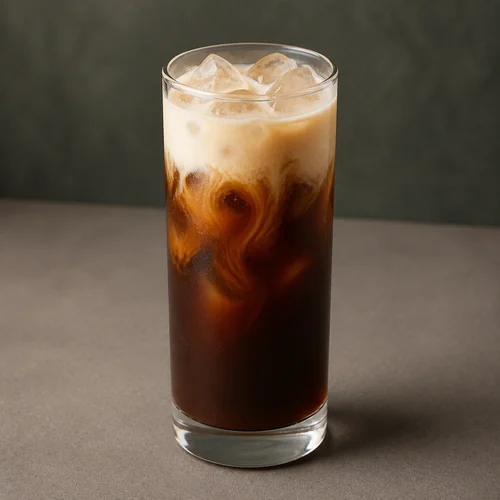

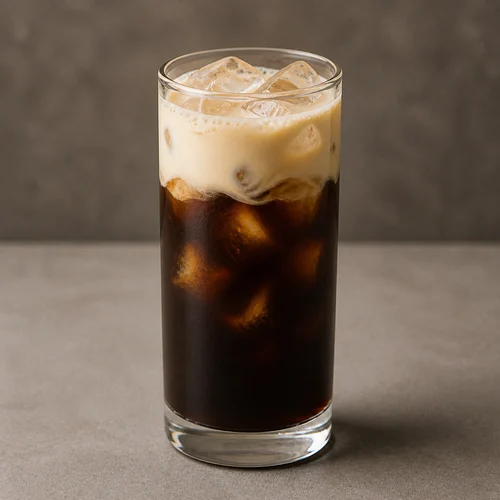
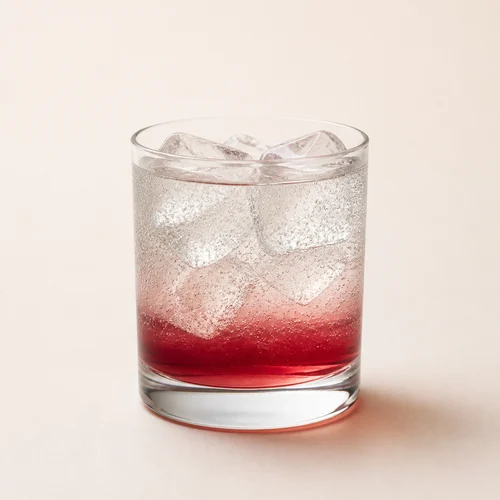
Zipperhead
Ingredients for Zipperhead — 3 total (3 shown).
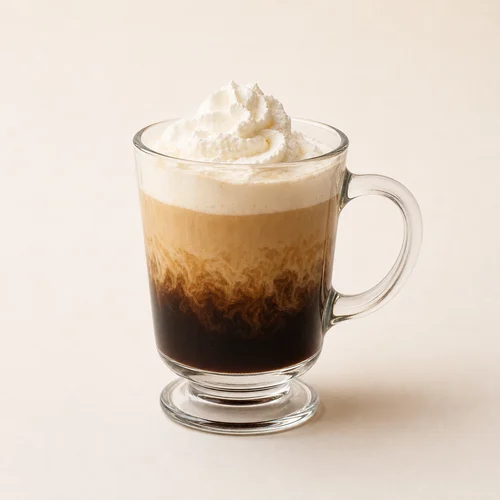
Zorro
Ingredients for Zorro — 5 total (3 shown, 2 more hidden).
+2
Layered cocktails: key features
These notes explain how the Layered method shapes texture, dilution and recipe choice.
Visual structure & contrast
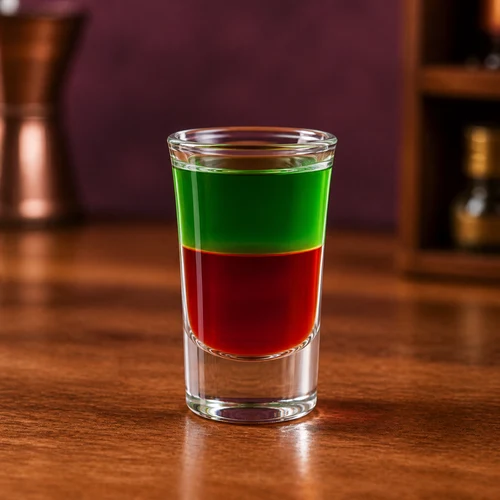
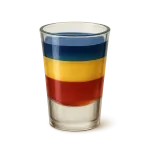
Layered cocktails are built to showcase distinct bands of colour, density and flavour stacked one over another in the same glass. The method emphasises visual drama and contrast before the drink is stirred, sipped or knocked back.
Density, sugar & ABV control
Successful layering depends on understanding density: heavier, sweeter or lower-ABV ingredients sit at the bottom, while lighter components float above. Getting the order wrong causes colours to bleed and destroys the separation.
Pouring technique & tools
Liquids are usually poured slowly over the back of a bar spoon or down the side of the glass to avoid disturbing the layer underneath. Pace, angle and pour height all influence how clean each band appears.

Shots, poussé-cafés & hybrid builds
Many layered drinks are compact shots or poussé-cafés where the guest experiences flavours in sequence as they drink. Iconic layered cocktails include B-52, Pousse Café and Black and Tan.
Showmanship, timing & service
Because layers are visually striking but fragile, layered cocktails reward precise timing: build, present and serve without delay. They are natural centrepieces for social media, bar theatrics and special-occasion menus.
Layered cocktails: frequently asked questions
A layered cocktail is built so that two or more components sit in distinct horizontal bands, separated by differences in density and sugar content.
Heavier, sweeter or lower-ABV ingredients are poured first so they sink, while lighter components are added carefully on top. Slow, controlled pouring prevents turbulence that would mix the layers together.
Liqueurs, syrups and cream often form lower layers because of their weight and sugar content. Drier spirits and lighter mixers usually sit above, especially when added with care over a bar spoon.
Hold the bar spoon just above the lower layer, with the bowl touching the glass, and pour slowly over the back of the spoon. Reduce height and speed to minimise impact and keep the new liquid from plunging downward.
Narrow, straight-sided glasses—such as shot glasses, pousse-café glasses or slim highballs—show layers clearly and help them remain stable.
Well-known layered drinks include B-52, Pousse Café and Black and Tan, all of which rely on density contrast to create a visible stack of flavours.
Most layered shots are built without ice, while some longer layered drinks use large, stable cubes placed carefully before pouring. Excess movement from loose or crushed ice will quickly disturb separation.
Layers remain clean for a short window: temperature changes, vibrations and time all encourage ingredients to mix. Build just before serving and avoid transporting the drink too aggressively.
It depends on the serve: some drinks are meant to be experienced in sequence as a shot, others invite a gentle stir at the table. Your menu notes or bartender recommendations should clarify the intended experience.
If bands start to blend, the most common causes are incorrect order of ingredients, pouring too fast, or using liquids with similar density. Adjust the build order, slow the pour and re-test in a small sample glass.
Layering highly carbonated mixers is difficult: bubbles create turbulence and lift lighter components upward. Use carbonation sparingly or keep it in the topmost layer where separation is less critical.
Many layered shots pack a high ABV into a small volume, combining multiple liqueurs and spirits in tight proportions. Responsible pacing and portion control are essential when serving these builds.
You can pre-measure components into separate containers, but the actual layering must be done à la minute. Once combined, layers will gradually merge, so they should not be stored already built.
Colour contrast is a big part of the visual appeal, but density always comes first—without it, layers cannot form. Once density is under control, you can fine-tune hue and opacity for maximum impact.
Standardise your recipes with measured pours, consistent glassware and a clear layering order written into the spec. Train staff to use the same tools and pouring cadence so each round looks and tastes like the last.
Next paths
Keep exploring cocktails
Use these context routes to move from this list into stronger cocktail discovery paths.