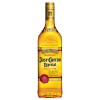
Gold Tequila
Alcoholic (~38–40% ABV) Spirits
Gold tequila, also known as joven or oro, is a tequila style defined primarily by color and blending practices rather than extended barrel aging. Unlike reposado or añejo expressions, most gold tequilas achieve their golden hue through caramel coloring or by blending unaged tequila with small amounts of aged stock. In many commercial examples, gold tequila is also a mixto, meaning it is distilled from a blend of agave sugars and other fermentable sugars rather than 100% blue agave. This style was developed to prioritize visual appeal, smoothness, and accessibility for international markets.
Flavor & Technical
This section summarizes the sensory balance and technical behavior of Gold Tequila when used in cocktails, combining perceived flavor intensity with functional roles.
Flavor balance and intensity
Technical characteristics
How Gold Tequila works in cocktails
Gold Tequila is analyzed here as a working cocktail ingredient: how it changes flavor, what role it plays in a build, when it should be substituted, and which recipe patterns it supports.
Flavor role in cocktail balance
Gold tequila offers a softer and more approachable profile than unaged tequila , with light notes of vanilla , caramel, and gentle oak-derived sweetness. The core agave character remains present but slightly muted, resulting in a mellow, mildly sweet, and rounded profile designed for easy mixing rather than expressive terroir or raw agave intensity.
Best uses behind the bar
Gold tequila is commonly used as a mixing base in fruit-forward and sweetened drinks where smoothness and visual appeal are prioritized. Its softened agave profile makes it suitable for brightly colored long drinks and approachable mixed serves, particularly when a less assertive agave character is desired compared to unaged tequila .
Substitutes in cocktail builds
Unaged tequila can substitute when a cleaner, more agave-forward profile is acceptable, though it will lack the added softness and mild sweetness typical of gold tequila. Lightly aged tequila styles provide a closer structural alternative. Other spirits may replicate warmth or sweetness but will not preserve the agave-derived identity.
Production and style context
Gold tequila emerged in the mid-20th century as producers adapted tequila for expanding international markets. Visual differentiation and smoother flavor profiles were emphasized to appeal to new consumers, leading to the development of gold tequila through blending, coloring, and mixto production rather than traditional long-term aging.
Mixology notes
Despite its name and color, most gold tequilas are not significantly aged. The golden hue typically comes from caramel coloring or blending practices, and many examples are mixtos rather than 100% agave. Color alone is therefore an unreliable indicator of age or quality within the tequila category.
Similar ingredients (by flavor & function)
Ingredients listed here share similar flavor characteristics or functional roles with Gold Tequila, making them comparable in certain cocktail contexts.
Cocktail using Gold Tequila
The only cocktail in our collection that features Gold Tequila as a key ingredient.