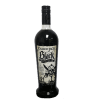
Black Rum
Alcoholic (~≈40% ABV (varies by producer; not inherently higher proof)) Spirits
Black Rum is a deeply colored rum style characterized by pronounced molasses richness, heavy body, and dark sweetness. Its intense color and flavor are often achieved through molasses concentration, blending, and the use of caramel coloring, rather than extended aging alone.
Flavor & Technical
This section summarizes the sensory balance and technical behavior of Black Rum when used in cocktails, combining perceived flavor intensity with functional roles.
Flavor balance and intensity
Technical characteristics
How Black Rum works in cocktails
Black Rum is analyzed here as a working cocktail ingredient: how it changes flavor, what role it plays in a build, when it should be substituted, and which recipe patterns it supports.
Flavor role in cocktail balance
Black Rum presents a dense, molasses-driven profile with deep notes of treacle, burnt sugar , caramel, and dark toffee. It often shows a slight technical smokiness derived from burnt-sugar aromatics. The palate is heavy and rounded, with a coating, viscous mouthfeel that adds significant body to mixed drinks. Oak influence, when present, remains secondary to sweetness and color, contributing soft vanilla or mild bitterness rather than bright structure.
Best uses behind the bar
Black Rum is used as a rich, dark rum base and as a color-and-body modifier in builds that require depth, darkness, and molasses intensity. It is especially effective in ginger-based highball frameworks and other carbonated structures where its density supports float and layering techniques for visual contrast. It is also widely applied in layered rum blends and sweet-forward profiles where body and dark sweetness are central, as well as in culinary applications for its strong molasses character.
Substitutes in cocktail builds
Dark rum can serve as a partial substitute but typically lacks the same molasses density and color. If black rum is unavailable, a dark rum with a very small molasses accent—such as a minimal drop of molasses syrup—can better approximate the darker color, sweetness, and viscosity, though this must be dosed carefully to avoid turning the build cloying. Spiced rum is not a direct substitute, as added botanicals and sweetness significantly alter aroma and balance.
Production and style context
Black rum styles developed alongside industrial rum production, where consistency of color, sweetness, and visual identity became commercially important. The use of caramel coloring allowed producers to achieve a stable dark appearance regardless of aging variation, shaping the modern perception of black rum as a distinct functional category.
Mixology notes
Despite common belief, black rum's dark color is often not an indicator of age. Many black rums are relatively young spirits colored with caramel to achieve depth of appearance and a molasses-forward impression, making them functionally closer to dense, sweet dark rum styles than to long-aged sipping rums.