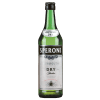
White Vermouth
Alcoholic (~15% ABV) Wines & Fortified Wines
White Vermouth is an aromatized, fortified wine infused with herbs, roots, and spices, offering a lighter, fresher profile than red vermouth styles.
Flavor & Technical
This section summarizes the sensory balance and technical behavior of White Vermouth when used in cocktails, combining perceived flavor intensity with functional roles.
Flavor balance and intensity
Technical characteristics
How White Vermouth works in cocktails
White Vermouth is analyzed here as a working cocktail ingredient: how it changes flavor, what role it plays in a build, when it should be substituted, and which recipe patterns it supports.
Flavor role in cocktail balance
White vermouth presents a crisp, aromatic profile built on herbal and floral botanicals, gentle bitterness, and restrained sweetness. Citrus notes and fresh botanicals dominate, with less caramelized or oxidative character than red vermouth styles. The overall impression is lighter, cleaner, and more refreshing while retaining the defining herbal backbone of aromatized wines.
Best uses behind the bar
White vermouth functions as an aromatized wine modifier to introduce herbal freshness, light bitterness, and aromatic lift. It supports spirit-forward and wine-based compositions where a cleaner, less sweet vermouth profile is desired. It may also be used in cooking to add botanical depth to seafood dishes, sauces, and marinades.
Substitutes in cocktail builds
Dry sherry can substitute when a drier, savory backbone is acceptable, though it lacks vermouth 's botanical infusion. Aromatized aperitif wines such as Lillet Blanc can replace white vermouth for lighter, fruit-forward expressions, but will reduce herbal bitterness and complexity.
Production and style context
White vermouth developed alongside other vermouth styles in Italy during the 18th and 19th centuries, evolving from medicinally inspired aromatized wines into a refined cocktail ingredient. Its lighter color and fresher profile distinguished it from darker, sweeter vermouth expressions.
Mixology notes
White vermouth occupies a stylistic space between dry and sweet vermouth , with producers varying sugar and botanical intensity. Its pale color results from the absence of caramel coloring and limited oxidation compared to red vermouth styles.