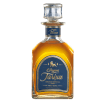
Singani
Alcoholic (~Typically 35–45% ABV) Spirits
Singani is a clear grape brandy produced in Bolivia and distilled exclusively from Muscat of Alexandria grapes. Typically bottled unaged, it emphasizes aromatic purity and freshness, showcasing floral and fruit-driven characteristics rather than oak influence.
Flavor & Technical
This section summarizes the sensory balance and technical behavior of Singani when used in cocktails, combining perceived flavor intensity with functional roles.
Flavor balance and intensity
Technical characteristics
How Singani works in cocktails
Singani is analyzed here as a working cocktail ingredient: how it changes flavor, what role it plays in a build, when it should be substituted, and which recipe patterns it supports.
Flavor role in cocktail balance
Singani is a highly aromatic grape spirit defined by intense floral notes, ripe grape character, and subtle tropical-fruit nuances. The palate is clean and dry, with perceived sweetness derived from aromatic richness rather than residual sugar . Compared to pisco , singani often presents more overtly floral and perfumed qualities, with a lighter, more transparent structure.
Best uses behind the bar
Singani functions as a base spirit in shaken citrus cocktails and light mixed drinks where its floral aromatics can express themselves without oak interference. It also performs well in long drinks and highball-style serves, where dilution and carbonation accentuate its grape-derived perfume and crisp finish.
Substitutes in cocktail builds
Pisco is the closest substitute for singani, sharing a grape-based aromatic profile, though it is often less intensely floral. In some recipes, a clean unaged grape brandy can approximate the structure, while white rum can replace body but lacks the distinctive Muscat-driven aromatics that define singani.
Production and style context
Singani developed during the Spanish colonial period in Bolivia after Muscat grapes were introduced to the region. Over time, it evolved into a distinct national spirit, shaped by high-altitude vineyards and traditional distillation practices, and later formalized through protected designation regulations.
Mixology notes
Singani is legally protected as a denomination of origin in Bolivia and must be produced from Muscat of Alexandria grapes grown in specific high-altitude regions. Its intensely aromatic profile derives primarily from grape variety and fermentation rather than aging, making it one of the most perfume-driven spirits in cocktail culture.