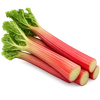
Rhubarb
Non-Alcoholic (~0% ABV) Vegetables (Non-Herb)
Rhubarb is a tart vegetable stalk used in cocktails for sharp acidity, pink color, vegetal fruit-like aroma, and spring seasonal character.
Flavor & Technical
This section summarizes the sensory balance and technical behavior of Rhubarb when used in cocktails, combining perceived flavor intensity with functional roles.
Flavor balance and intensity
Technical characteristics
How Rhubarb works in cocktails
Rhubarb is analyzed here as a working cocktail ingredient: how it changes flavor, what role it plays in a build, when it should be substituted, and which recipe patterns it supports.
Flavor role in cocktail balance
Rhubarb delivers tart, vegetal, red-fruited notes with a slightly earthy quality and minimal inherent sweetness until cooked with sugar . It provides a distinctive sour-spring profile that bridges berry and vegetable.
Best uses behind the bar
Used in syrups, cordials, sours, spritzes, gin drinks, vodka drinks, sparkling cocktails, and seasonal non-alcoholic coolers.
Substitutes in cocktail builds
Rhubarb syrup, cranberry juice , hibiscus, tart cherry , or raspberry combined with lemon can substitute.
Mixology notes
Rhubarb leaves contain high levels of oxalic acid and are toxic to humans, though the stalks are safe for consumption and prized for their tangy flavor.