Hot Sauce
Non-Alcoholic (~0% ABV) Miscellaneous
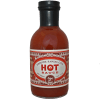
Hot sauce is a chili-based condiment typically made from peppers, vinegar, salt, and seasonings. In mixology it is used as a high-impact savory seasoning to add capsaicin heat, acidity, and depth in small doses.
Flavor & Technical
This section summarizes the sensory balance and technical behavior of Hot Sauce when used in cocktails, combining perceived flavor intensity with functional roles.
Flavor balance and intensity
Technical characteristics
How Hot Sauce works in cocktails
Hot Sauce is analyzed here as a working cocktail ingredient: how it changes flavor, what role it plays in a build, when it should be substituted, and which recipe patterns it supports.
Flavor role in cocktail balance
Hot sauce delivers pronounced chili heat with a clear vinegary tang and salt-driven savoriness. Sweetness is minimal, bitterness is low, acidity is moderate to high, and the finish is spicy and lingering.
Best uses behind the bar
Used sparingly as a seasoning and heat driver in savory cocktails and beer-based drinks, especially where acidity and salinity are welcome. It can be applied directly in drops or dashes, or incorporated into rims and mixes to build controlled heat.
Substitutes in cocktail builds
Cayenne, chili powder, or paprika can substitute heat and spice but lack vinegar acidity and liquid dispersion. Chili flakes or pepper sauces without vinegar change balance and may require added acid to match structure.
Production and style context
Chili-based sauces have long culinary histories in the Americas, with early forms used by Mesoamerican cultures. Modern vinegar-based hot sauces expanded in the 19th century and became widely used condiments globally.
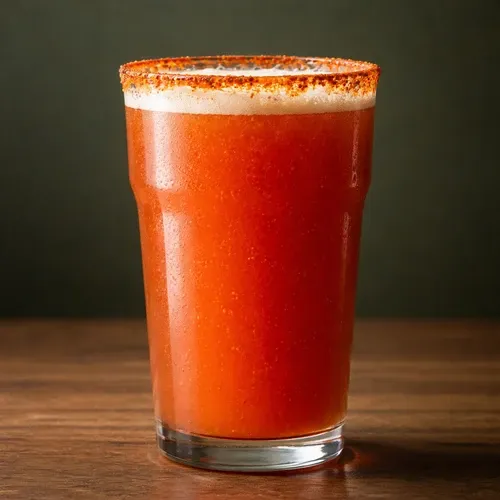
Cocktail using Hot Sauce
The only cocktail in our collection that features Hot Sauce as a key ingredient.