Grain Alcohol
Alcoholic (~95% ABV) Spirits
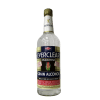
Grain alcohol, also referred to as neutral spirits or rectified spirit, is a high-proof distilled alcohol produced from fermented grain and refined to achieve maximum purity. It is defined by its neutrality rather than by flavor, and is typically distilled to very high alcohol levels, often approaching 95% ABV. Unlike traditional spirits, grain alcohol is valued primarily for its solvent properties rather than for direct consumption.

Flavor & Technical
This section summarizes the sensory balance and technical behavior of Grain Alcohol when used in cocktails, combining perceived flavor intensity with functional roles.
Flavor balance and intensity
Technical characteristics
How Grain Alcohol works in cocktails
Grain Alcohol is analyzed here as a working cocktail ingredient: how it changes flavor, what role it plays in a build, when it should be substituted, and which recipe patterns it supports.
Flavor role in cocktail balance
Grain alcohol presents an intentionally neutral sensory profile with virtually no aroma or flavor beyond ethanol. Any perceived sweetness or grain character remains minimal and secondary to its dominant alcoholic intensity. The palate is clean, sharp, and volatile, designed to disappear once diluted or infused rather than contribute character.
Best uses behind the bar
Grain alcohol serves primarily as a technical base for infusions, tinctures, homemade bitters , extracts, and homemade liqueurs, where its purity enables efficient extraction of essential oils, aromatics, and bitter compounds from roots, barks, and spices. It is also employed in culinary and herbal applications as an extraction medium rather than as a flavoring spirit.
Substitutes in cocktail builds
Lower-proof neutral spirits such as vodka can substitute grain alcohol when extreme extraction strength is not required, though with reduced efficiency. In European contexts, traditional high-proof infusion alcohols used for home liqueur making (often sold as "alcol buongusto") serve as functional equivalents. Other spirits may replicate alcohol content but will introduce unwanted flavor.
Production and style context
Neutral grain spirits developed alongside advances in distillation technology, particularly column stills, which allowed alcohol to be refined to near-pure ethanol. Over time, grain alcohol became widely used for medicinal, culinary, and preparatory purposes rather than for traditional drinking.
Mixology notes
Grain alcohol is often regulated or restricted due to its extremely high alcohol content. Its neutrality makes it a preferred base for tinctures, flavor extracts, and pharmaceutical or culinary preparations where flavor interference must be minimized.
Similar ingredients (by flavor & function)
Ingredients listed here share similar flavor characteristics or functional roles with Grain Alcohol, making them comparable in certain cocktail contexts.
Cocktails using Grain Alcohol
All cocktails in our collection that feature Grain Alcohol as a core ingredient.