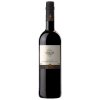
Cream Sherry
Alcoholic (~17% ABV) Wines & Fortified Wines
Cream Sherry is a sweet fortified wine known for its rich, nutty character and velvety texture, traditionally enjoyed as an aperitif or dessert wine.
Flavor & Technical
This section summarizes the sensory balance and technical behavior of Cream Sherry when used in cocktails, combining perceived flavor intensity with functional roles.
Flavor balance and intensity
Technical characteristics
How Cream Sherry works in cocktails
Cream Sherry is analyzed here as a working cocktail ingredient: how it changes flavor, what role it plays in a build, when it should be substituted, and which recipe patterns it supports.
Flavor role in cocktail balance
Cream sherry delivers pronounced sweetness supported by oxidative nutty notes, dried fruit richness, and a smooth, rounded mouthfeel. Acidity remains low and subdued, while caramelized and raisined flavors dominate the profile. Compared to dry sherry styles, it presents a heavier, sweeter, and more textural character, functioning as a source of body and depth rather than freshness.
Best uses behind the bar
Cream sherry is employed as a sweet fortified wine to add richness, sweetness, and oxidative depth. It increases body and mouthfeel in low- and medium-ABV structures and can function as a dessert-oriented modifier or be served on its own as a sipping wine.
Substitutes in cocktail builds
Sweet vermouth and Madeira can substitute for cream sherry when a sweet, wine-based modifier is required. These alternatives typically exhibit higher acidity or different oxidative profiles, resulting in a less rounded and less creamy texture.
Production and style context
Cream sherry emerged in the Jerez region of Spain during the 19th century, developed to meet international demand for sweeter fortified wines. It is produced by blending oxidatively aged dry sherry with naturally sweet wines and matured using the solera system.
Mixology notes
Despite its name, cream sherry contains no dairy or cream ; the term refers solely to its smooth and rich texture. Its oxidative sweetness has established its role both as a dessert wine and as a structural sweetener in mixed drinks and culinary applications.