Heated Cocktails

Warm drinks where temperature, spice and dilution shape the drinking experience
Find heated cocktails for warm service, from toddies to coffee-style drinks with spice, aroma and comfort.
Explore sections by


Filter Cocktails by Letter
(No filters active)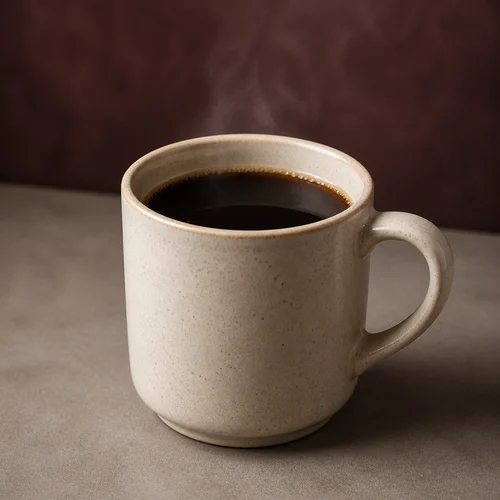


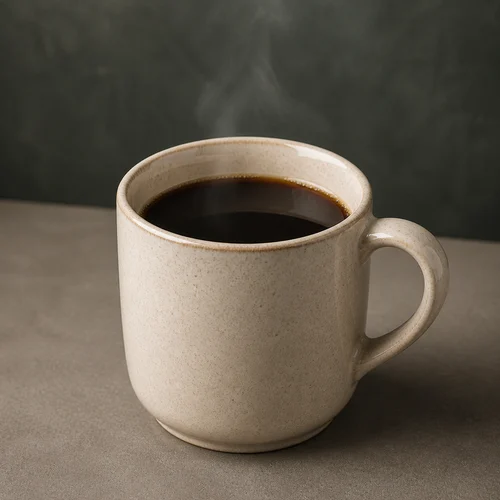

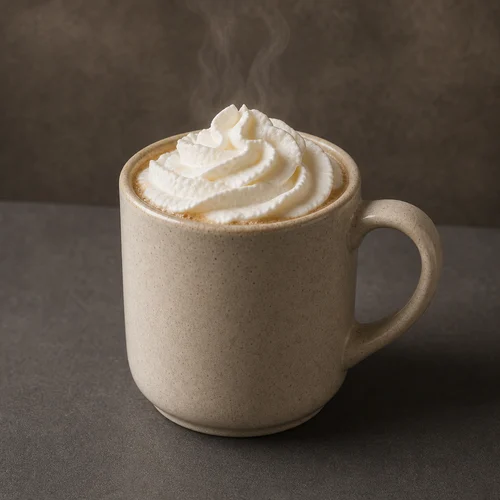
Tennesee Mud
Ingredients for Tennesee Mud — 4 total (3 shown, 1 more hidden).
+1
Heated cocktails: key features
These notes explain how the Heated method shapes texture, dilution and recipe choice.
Temperature as a structural element
Heated cocktails treat warmth as a structural ingredient, just as important as sweetness, acidity or bitterness. Serving drinks hot changes aroma release, perceived sweetness and the way alcohol expresses on the palate.

Gentle heating, not cooking
The goal of the Heated method is to warm liquids to a comfortable, aromatic temperature—not to boil or aggressively cook them. Gentle heat preserves delicate flavors in citrus, spices and fortified wines while avoiding harsh bitterness or burnt notes.
Layered spice & aromatic development
Warmth amplifies the volatility of spices, citrus peels and bitters, making their aromatics more prominent. Proper sequencing—adding sturdy spices early and delicate elements later—keeps the profile balanced rather than overwhelming.

Balancing strength, sweetness & comfort
Heat increases the perception of alcohol intensity, so Heated cocktails often rely on slightly richer sweetness and rounded textures to stay comforting. Fortified wines, amari and robust base spirits work especially well as they hold structure at elevated temperatures.
Serving vessels & heat management
Pre-warmed mugs or heat-safe glasses prevent rapid temperature drop and keep the drink enjoyable from first sip to last. Classic Heated cocktails include Hot Toddy, Irish Coffee and Tom and Jerry.
Heated cocktails: frequently asked questions
A Heated cocktail is served warm or hot, using controlled temperature to express spices, sweetness and alcohol in a comforting, aromatic way.
Most Heated cocktails are served between the temperature of hot tea and just below too-hot-to-sip—warm enough to release aroma, but not scalding. If guests cannot hold the mug comfortably, it is probably too hot.
No. Boiling drives off alcohol, damages delicate aromatics and can create harsh, cooked flavors. Always heat gently, ideally below a simmer, and avoid long exposure to direct high heat.
Robust, full-bodied spirits such as aged rum, whiskey, brandy and certain liqueurs perform well because they maintain character when warmed. Fortified wines like sherry or port can also add structure and complexity.
Warmth can make sweetness feel more pronounced and can soften acidity, so Heated cocktails are often formulated with slightly different ratios than their chilled counterparts.
Use a small pot over low heat, a steam wand or a temperature-controlled kettle, and heat the mixture slowly while stirring. Avoid open flames touching the liquid directly unless the recipe explicitly calls for a brief flambé step.
Many recipes heat a mix of water, juices, spices and sweeteners first, then add spirits near the end to limit alcohol loss and preserve aroma. Follow the order specified in each formula for best results.
Cinnamon, clove, star anise, allspice, nutmeg and fresh ginger are classics, as they express beautifully at higher temperatures. Whole spices are preferred over ground to avoid gritty textures.
Limit the time citrus spends at high temperature: you can add fresh juice or zest closer to service or use peel-infusion off the heat instead of prolonged boiling.
Use heat-resistant mugs, tempered glass or ceramic cups with handles to protect hands and maintain temperature. Pre-warming the vessel with hot water before pouring the cocktail improves stability.
Yes—prepare a larger volume in a slow cooker or insulated urn set to a low, steady temperature. Stir regularly, monitor heat and add delicate ingredients or garnishes closer to serving time.
Use sturdy, aromatic garnishes such as citrus wheels, whole spices or expressed citrus peels. These release aroma with rising steam and visually signal the drink’s flavour profile.
They may feel stronger because warmth amplifies alcohol perception on the palate and in the nose. Recipes are often balanced with this in mind, using dilution and sweetness to keep them comfortable.
Some classics adapt well, especially those rooted in spice, citrus and rich spirits, but they often require rebalancing of sweetness, acidity and dilution.
Canonical Heated serves include Hot Toddy, Irish Coffee and Tom and Jerry, each built to emphasise comfort, spice and warmth.
Next paths
Keep exploring cocktails
Use these context routes to move from this list into stronger cocktail discovery paths.