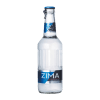
Zima
Alcoholic (~Commonly around 4.7% ABV) Carbonated Mixers
Zima is a clear, lightly carbonated alcoholic beverage that was popular in the 1990s. It has a unique taste that combines citrus and light malt flavors, making it a refreshing choice for those seeking a crisp and clean drink.

Flavor & Technical
This section summarizes the sensory balance and technical behavior of Zima when used in cocktails, combining perceived flavor intensity with functional roles.
Flavor balance and intensity
Technical characteristics
How Zima works in cocktails
Zima is analyzed here as a working cocktail ingredient: how it changes flavor, what role it plays in a build, when it should be substituted, and which recipe patterns it supports.
Flavor role in cocktail balance
A clear malt-based carbonated alcoholic cooler with light citrus sweetness, mild malt character, and a crisp, soda-like finish.
Best uses behind the bar
Used in retro highballs, branded cooler drinks, party cocktails, and sweet sparkling mixed drinks.
Substitutes in cocktail builds
Hard seltzer, lemon-lime soda with vodka , clear malt cooler, or citrus hard soda may substitute.
Production and style context
Zima was introduced by Coors Brewing Company in 1993 as a clear alternative to traditional beer . It gained popularity in the 1990s but was discontinued in the early 2000s before being reintroduced in limited quantities in recent years.
Mixology notes
Zima was among the first clear malt beverages introduced in the United States and was marketed as a trendy alternative to beer . It developed a cult following in the 1990s and has experienced a resurgence in popularity among nostalgic drinkers.
Explore cocktails with Zima
Use these child hubs to compare Zima across repeated cocktail patterns instead of reading recipes one by one. Each link groups recipes by a different structural signal.
By preparation method
Preparation method shows how Zima behaves under technique: shaken for integration, stirred for clarity, built for direct length, heated for warmth, or blended for texture.


Cocktails using Zima
All cocktails in our collection that feature Zima as a core ingredient.
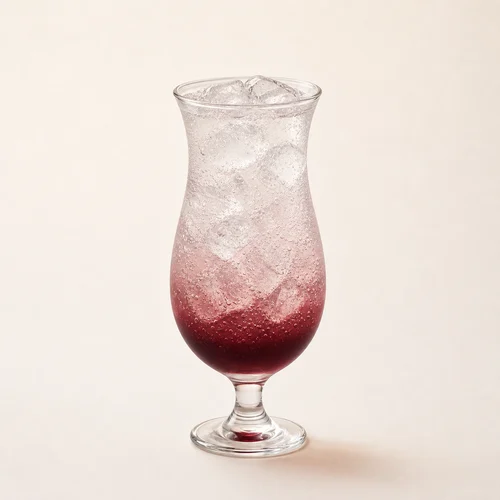
Zima Blaster

Ingredients for Zima Blaster — 2 total (2 shown).