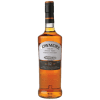
Islay Single Malt Scotch
Alcoholic (~43–46% ABV) Spirits
Islay single malt Scotch is a style of Scotch whisky produced exclusively on the island of Islay, Scotland, and made from 100% malted barley at a single distillery. It is internationally recognized for its intense peat smoke character, shaped by the island's maritime climate, local peat, and traditional production methods.
Flavor & Technical
This section summarizes the sensory balance and technical behavior of Islay Single Malt Scotch when used in cocktails, combining perceived flavor intensity with functional roles.
Flavor balance and intensity
Technical characteristics
How Islay Single Malt Scotch works in cocktails
Islay Single Malt Scotch is analyzed here as a working cocktail ingredient: how it changes flavor, what role it plays in a build, when it should be substituted, and which recipe patterns it supports.
Flavor role in cocktail balance
Islay single malt Scotch delivers a powerful and distinctive profile dominated by peat smoke, ash, and iodine-like medicinal notes. Underlying aromas of sea spray, brine, and damp earth are frequently present, balanced by restrained malt sweetness. The finish is long, dry, smoky, and warming, with a pronounced maritime character.
Best uses behind the bar
Islay single malt Scotch is used sparingly when a strong smoky element is required. In mixed applications, it functions primarily as an accent or split-base component, where small quantities can dramatically alter aroma, structure, and perceived depth. It is also commonly enjoyed neat, where its full intensity and regional identity can be appreciated without dilution.
Substitutes in cocktail builds
Other peated single malt Scotch whiskies provide the closest structural substitution, particularly those with coastal influence. Non-Islay peated malts may offer smoke but generally lack the saline and medicinal notes characteristic of Islay expressions. Non-Scotch smoky spirits cannot replicate the peat-derived profile.
Production and style context
Whisky production on Islay dates back to the late 18th century, with peat historically used as a readily available fuel for drying malted barley. Over time, this practice evolved into a defining regional signature, distinguishing Islay single malts from other Scotch whisky styles.
Mixology notes
Peat smoke intensity in Islay whiskies is often expressed in phenol levels (PPM), though this measurement does not directly correlate to perceived smokiness in the finished spirit. Despite sharing a common region, Islay distilleries produce a wide range of styles, from extremely medicinal to more balanced expressions.
Similar ingredients (by flavor & function)
Ingredients listed here share similar flavor characteristics or functional roles with Islay Single Malt Scotch, making them comparable in certain cocktail contexts.
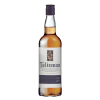
Comparable in recipe usage, but structured flavor data is incomplete for this ingredient.
Cocktail using Islay Single Malt Scotch
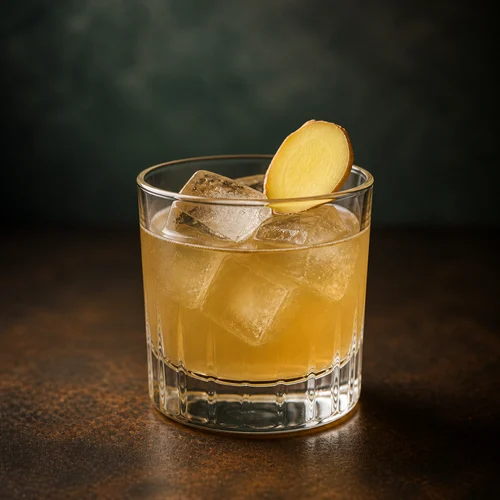
The only cocktail in our collection that features Islay Single Malt Scotch as a key ingredient.