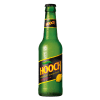
Hooch
Alcoholic (~Variable (often 40–70% ABV)) Spirits
Hooch is a slang term referring to homemade, illicit, or informally produced alcohol, most commonly unaged distilled spirits made outside regulated commercial systems. The term broadly describes alcohol characterized by rawness, variability, and lack of standardization rather than indicating a specific production method or category.
Flavor & Technical
This section summarizes the sensory balance and technical behavior of Hooch when used in cocktails, combining perceived flavor intensity with functional roles.
Flavor balance and intensity
Technical characteristics
How Hooch works in cocktails
Hooch is analyzed here as a working cocktail ingredient: how it changes flavor, what role it plays in a build, when it should be substituted, and which recipe patterns it supports.
Flavor role in cocktail balance
Hooch presents a harsh and unrefined sensory profile dominated by ethanol intensity. Flavors are inconsistent and highly variable, typically described as raw, fiery, and aggressive, with minimal balance or refinement. Any perceived sweetness or grain character remains incidental and secondary to pronounced alcohol heat.
Best uses behind the bar
Hooch is primarily referenced as a cultural or historical term rather than a standardized mixing ingredient. When used practically, it functions as a high-intensity alcohol base in informal or experimental contexts, valued more for potency and availability than flavor contribution.
Substitutes in cocktail builds
Unaged high-proof spirits such as white whiskey , neutral grain spirits, or unaged rum can replicate the raw alcoholic intensity associated with hooch. Overproof vodka serves as the safer modern substitute when a similarly sharp alcoholic presence is desired without the variability and risks of informal production.
Production and style context
The term "hooch" became widely used in the United States during the early 20th century, particularly throughout the Prohibition era, to describe illegally produced or smuggled alcohol. It has since remained part of colloquial language as a general reference to strong, unregulated alcohol.
Mixology notes
"Hooch" is not a legally defined alcohol category. Its meaning varies by region and context and may refer to distilled spirits, fermented beverages, or improvised alcohol, unified only by their informal or illicit origin.