Dark Chocolate
Non-Alcoholic (~0% ABV) Other Extracts & Flavorings
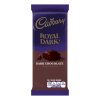
Dark chocolate is a cocoa-derived ingredient made by processing cocoa solids with cocoa butter and a controlled amount of sugar. In mixology it is used to add deep cocoa aroma, structured bitterness, and a richer mouthfeel through fat and solids, typically via infusion, syrup, or fine shavings.
Flavor & Technical
This section summarizes the sensory balance and technical behavior of Dark Chocolate when used in cocktails, combining perceived flavor intensity with functional roles.
Flavor balance and intensity
Technical characteristics
How Dark Chocolate works in cocktails
Dark Chocolate is analyzed here as a working cocktail ingredient: how it changes flavor, what role it plays in a build, when it should be substituted, and which recipe patterns it supports.
Flavor role in cocktail balance
Dark chocolate contributes concentrated cocoa aromatics with firm bitterness and a rounded, fatty texture when incorporated into syrups or infusions. Sweetness varies widely by cacao percentage and formulation, but the defining traits are cocoa intensity, roasted notes, and a dry, lingering finish. Acidity is generally low, while perceived richness increases with cocoa butter content.
Best uses behind the bar
Used as a cocoa flavoring agent in cocktail preparation through three main approaches: shavings or fine dust as an aromatic garnish that delivers cocoa aroma on the nose; infusion or fat-wash to pull roasted cocoa notes into a spirit or modifier; syrup or sauce base to add sweetness, cocoa depth, and viscosity. Small amounts can reinforce bitterness and add perceived body without contributing significant volume.
Substitutes in cocktail builds
Cocoa powder can replace dark chocolate when cocoa aroma is desired with less fat and less sweetness, though it disperses differently and can taste drier and more astringent. Cocoa nibs provide roasted cocoa character with minimal sweetness, though extraction is slower and more tannic. Chocolate bitters can approximate the aroma and bitterness in a fully liquid format, but they do not provide the same body or cocoa butter richness.
Production and style context
Cacao was first consumed as a beverage in Mesoamerica, with early preparations relying on roasted and ground cacao. Modern dark chocolate as a solid product became widespread after industrial processing advances in the 19th century, including improved cacao pressing and refining techniques that made consistent cocoa butter and cocoa solids formulations possible. Dark chocolate is now defined more by cacao content and processing style than by a single standard recipe.
Mixology notes
The cacao percentage on a label is not a direct measure of sweetness; it reflects the combined proportion of cocoa solids and cocoa butter , so two bars with the same percentage can taste different depending on sugar level, roast, and added cocoa butter. Cocoa butter is a key driver of mouthfeel and increases perceived richness even in small amounts. In liquid applications, finely grated chocolate integrates faster than chunks, while higher-cacao products typically contribute more bitterness and roasted intensity.