Blood Orange
Non-Alcoholic (~0% ABV) Fresh Fruits (Solid/Garnish)
Blood orange is a citrus fruit distinguished by its deep red flesh and aromatic profile. In mixology, it is valued for its balance of sweetness and gentle acidity, as well as its vivid color, which adds visual impact and fruit depth to cocktails.
Flavor & Technical
This section summarizes the sensory balance and technical behavior of Blood Orange when used in cocktails, combining perceived flavor intensity with functional roles.
Flavor balance and intensity
Technical characteristics
How Blood Orange works in cocktails
Blood Orange is analyzed here as a working cocktail ingredient: how it changes flavor, what role it plays in a build, when it should be substituted, and which recipe patterns it supports.
Flavor role in cocktail balance
Blood orange delivers a rounded citrus sweetness with moderate acidity and subtle berry-like notes reminiscent of raspberry and cranberry. Compared to standard orange , it offers a softer, more aromatic character with greater complexity, contributing both freshness and depth without sharpness.
Best uses behind the bar
Blood orange is used to provide fresh citrus sweetness, aroma, and color. It can be juiced, muddled, or used as a garnish, contributing fruit body and visual appeal in shaken, built, or blended preparations.
Substitutes in cocktail builds
Sweet orange can substitute blood orange with a brighter but less complex profile, while a blend of orange and grapefruit juice can approximate its balance of sweetness and acidity. These alternatives lack the distinctive color and berry-like nuances.
Production and style context
Blood oranges are believed to have originated in Sicily, where the local climate favored the development of their distinctive red pigmentation. They have been cultivated in the Mediterranean for centuries and remain closely associated with Italian citrus production.
Mixology notes
The red coloration of blood oranges comes from anthocyanins, antioxidants rarely found in citrus fruits. Their pigmentation intensifies with cooler night temperatures, making seasonal variation a defining characteristic.
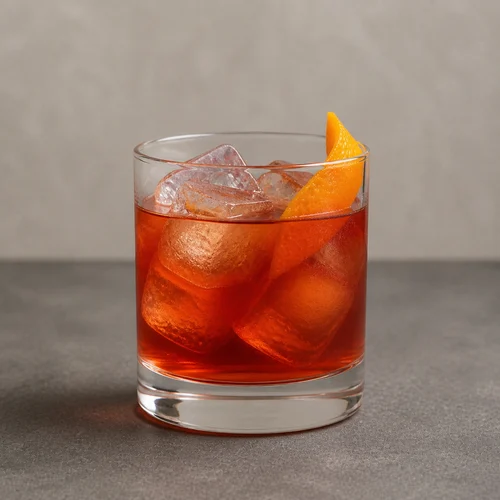
Cocktail using Blood Orange
The only cocktail in our collection that features Blood Orange as a key ingredient.