Cocktails Served in a Shot Glass

Small-format drinks built for concentration, impact and fast service
Explore shot glass cocktails and compact serves with concentrated flavor, layered effects and party-ready formats.
Explore sections by
46 cocktails found
Filter Cocktails by Letter
(No filters active)Page 3 of 3 Showing 41–46 of 46
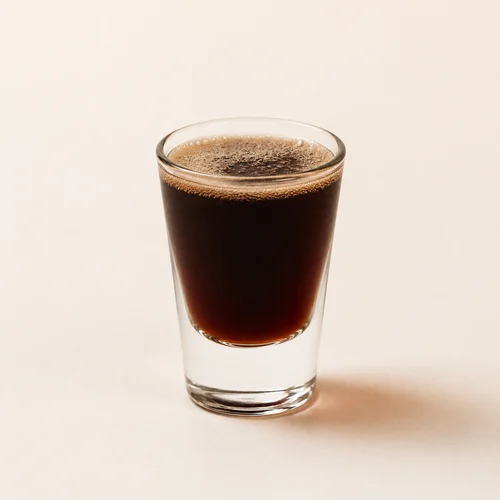
Zenmeister
Ingredients for Zenmeister — 2 total (2 shown).
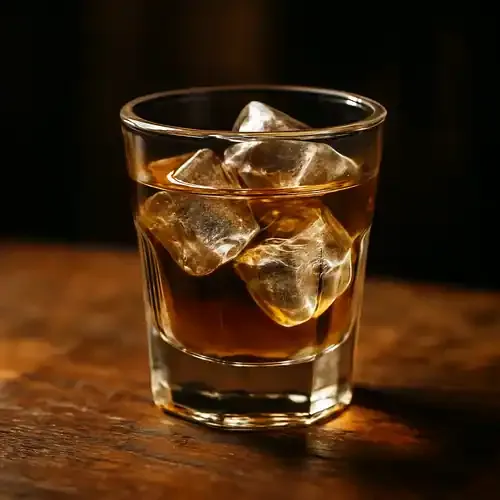
3 Wise Men
Ingredients for 3 Wise Men — 3 total (3 shown).
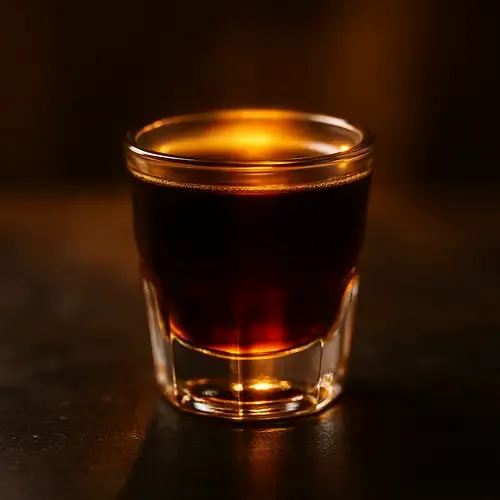
24k nightmare
Ingredients for 24k nightmare — 4 total (3 shown, 1 more hidden).
+1
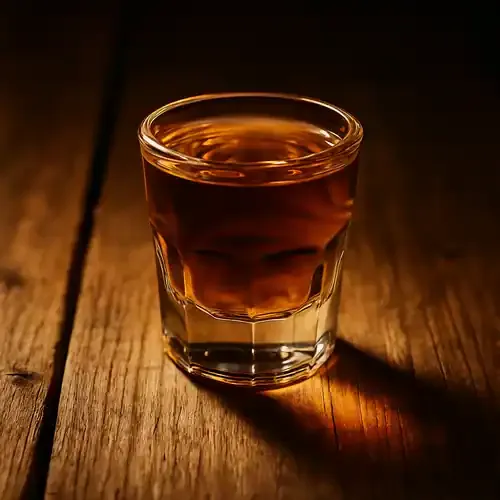
252
Ingredients for 252 — 2 total (2 shown).
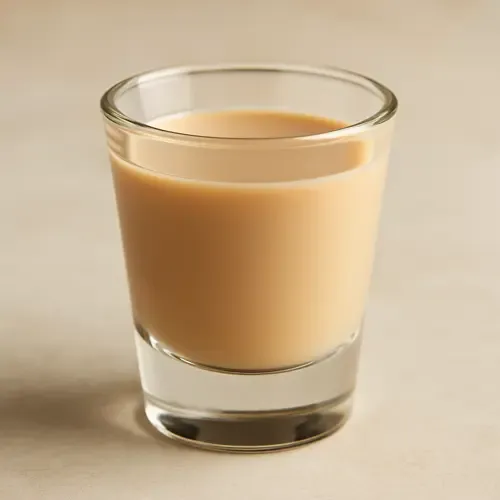
747
Ingredients for 747 — 3 total (3 shown).
Shot Glass cocktails: key features
These notes explain why Shot Glass service changes aroma, temperature and presentation.
Compact format for concentrated flavor
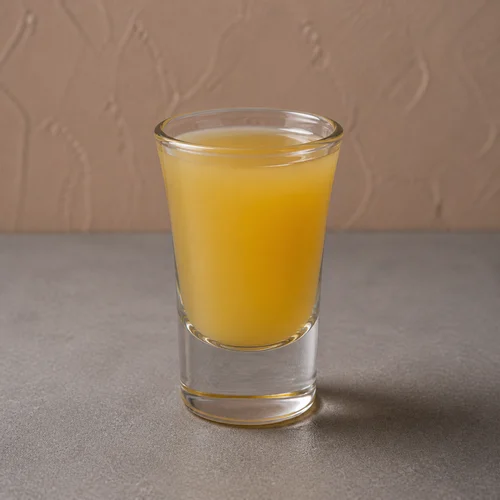
The Shot Glass delivers a short, high-impact serve where flavor, sweetness and alcohol intensity hit all at once. Its small capacity favors bold spirits, structured mini-cocktails and layered shooters over long, diluted serves.
Precise portion and strength control
Shot Glass cocktails rely on exact volumes—most recipes sit between 1 oz and 1½ oz—to keep strength and sweetness consistent across every pour. This makes the format ideal for standardized shot recipes, tasting flights and service where repeatability matters.
Perfect canvas for layered and visual shots
The narrow vertical shape allows clean separation between liqueurs and spirits, creating dramatic, multi-color layers. Clear glass and a compact profile make layered shots visually striking even in low light, ideal for nightlife and celebration settings.

Fast builds for high-energy moments
Shot Glass cocktails are built for speed: quick builds, minimal tools and easy batching for large groups. They shine in high-volume service, parties and toasting moments where timing and impact are more important than slow sipping.
Versatility across shot styles
Shot Glasses can host straight spirits, chilled shooters, dessert-style micro-serves, spicy shots and modern, crafted mini-cocktails. Popular Shot Glass cocktails include B-52, Kamikaze and Lemon Drop.
Shot Glass cocktails: frequently asked questions
It is a compact, high-intensity serve designed for one quick sip or a single, focused tasting moment, usually based on 1–1½ oz of liquid.
Most Shot Glasses hold between 1 oz and 1½ oz, depending on regional standards and barware design.
Benchmark shot recipes include B-52, Kamikaze and Lemon Drop.
Layering uses density differences to stack liqueurs and spirits, creating visual contrast and a clear flavor progression within a single shot.
Yes. The compact volume intensifies sweetness, acidity and alcohol perception, making flavors feel more immediate and concentrated.
Pour ingredients slowly over the back of a bar spoon, starting with the densest liqueur and finishing with the lightest spirit to keep layers clean and separated.
Absolutely. Shaken mini-sours or flavored shots benefit from proper aeration and integration before being strained into the glass.
Yes. Many bars pre-mix shot formulas in larger bottles for fast service, especially for groups, events and set menus.
Most shot recipes benefit from being served cold, especially spirit-forward or dessert-style shots that gain structure and smoothness at lower temperatures.
They require steady pouring and a basic understanding of density, but with a consistent technique they become quick and repeatable for service.
Yes. Fresh citrus or fruit can elevate flavor in shaken shots and mini-sours, adding brightness and balance to concentrated serves.
Flaming a shot adds visual drama but must be done with extreme caution using suitable high-proof spirits, heat-safe glassware and strict safety practices.
Minimal garnishes—salt or sugar rims, expressed citrus oils, chili dust or micro-foams—can elevate the experience without slowing down service.
Balance high-proof spirits with liqueurs, syrups, bitters or citrus to structure sweetness, acidity and bitterness instead of relying only on strength.
Not at all. Modern bars also use Shot Glass serves for spirit flights, mini-desserts and precise flavor bursts in tasting menus and curated experiences.
Next paths
Keep exploring cocktails
Use these context routes to move from this list into stronger cocktail discovery paths.