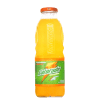
Gatorade
Non-Alcoholic (~0% ABV) Non-Carbonated Mixers
Gatorade is a branded non-carbonated sports drink formulated with water, electrolytes, acids, and sweeteners for hydration and flavor. In mixology it functions as a flavored diluent and volume extender, providing sweetness, light acidity, and a recognizable fruit profile without carbonation.
Flavor & Technical
This section summarizes the sensory balance and technical behavior of Gatorade when used in cocktails, combining perceived flavor intensity with functional roles.
Flavor balance and intensity
Technical characteristics
How Gatorade works in cocktails
Gatorade is analyzed here as a working cocktail ingredient: how it changes flavor, what role it plays in a build, when it should be substituted, and which recipe patterns it supports.
Flavor role in cocktail balance
Gatorade presents moderate sweetness with a soft, clean fruit profile and mild tang from added acids. Bitterness is minimal, acidity is low to moderate, and the finish is light and refreshing rather than rich or aromatic. Flavor intensity varies considerably by variant.
Best uses behind the bar
Used as a non-carbonated mixer to add volume, sweetness, and light acidity while diluting alcohol. It behaves similarly to a flavored sports drink base, creating approachable highball-style builds where a clean, fruity profile and hydration-style mouthfeel are desired.
Substitutes in cocktail builds
Other sports drinks can substitute with comparable sweetness and electrolyte character, though flavor profiles vary widely. Fruit-infused water provides lighter flavor and lower sweetness, while juice-based mixers add more aroma and body but alter balance and viscosity.
Production and style context
Gatorade was developed in the mid-1960s at the University of Florida to address athlete hydration and electrolyte loss. It expanded rapidly into a mass-market sports drink category and became one of the most recognizable brands in its segment.
Mixology notes
Electrolytes such as sodium and potassium contribute to perceived salinity and can subtly alter how sweetness and acidity are perceived in mixed drinks. Because formulations differ by flavor and region, consistency in cocktails depends on using the same variant.
Brand disclaimer
This page includes Gatorade as an example of a branded ingredient for reference and classification purposes. Fizzando operates independently and has no commercial relationship with the brand or its producer. Brand names and trademarks are used solely to identify the products discussed.