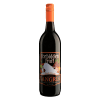
Forbidden Fruit
Alcoholic (~30% ABV) Liqueurs & Cordials
Forbidden Fruit is a historic, branded citrus liqueur originally associated with bitter orange and grapefruit or pomelo peel, often described as a honeyed, brandy-based cordial with a distinctly bittersweet citrus profile. In mixology it functions as a concentrated citrus modifier, adding sweetness, peel-driven bitterness, and aromatic depth.
Flavor & Technical
This section summarizes the sensory balance and technical behavior of Forbidden Fruit when used in cocktails, combining perceived flavor intensity with functional roles.
Flavor balance and intensity
Technical characteristics
How Forbidden Fruit works in cocktails
Forbidden Fruit is analyzed here as a working cocktail ingredient: how it changes flavor, what role it plays in a build, when it should be substituted, and which recipe patterns it supports.
Flavor role in cocktail balance
Forbidden Fruit delivers a rounded bittersweet citrus profile led by grapefruit, pomelo, and orange-peel aromatics, with honeyed sweetness and a persistent bitter finish. Acidity is low, while bitterness and peel oils provide structure and length. The overall impression is richer and more resinous than a clean triple sec , with deeper, darker citrus character.
Best uses behind the bar
Used as a bittersweet citrus liqueur modifier to contribute orange and grapefruit peel aromatics, sweetness, and a subtle bitter backbone. It can replace part of a sweetener while adding citrus complexity, supporting both spirit-forward and citrus-driven builds where a deeper, peel-led orange profile is preferred over neutral orange liqueur .
Substitutes in cocktail builds
Triple sec can substitute for orange aroma and sweetness but typically yields a cleaner, less bitter, and less complex result. A combination of orange liqueur with a small amount of grapefruit component—juice or peel infusion—and honey syrup can approximate the bittersweet, honeyed direction, though it will not replicate the original branded profile. Orange bitters plus added sweetener can mimic peel bitterness and aroma with reduced body.
Production and style context
Forbidden Fruit emerged in the late 19th to early 20th century as a distinctive citrus cordial associated with pre-Prohibition cocktail culture. It is widely attributed to Louis Bustanoby of New York's Café des Beaux-Arts and was later produced commercially by Charles Jacquin et Cie. Production ceased in the late 20th century, and modern recreations are typically made as interpretations of the earlier style.
Mixology notes
Classic descriptions characterize Forbidden Fruit as a high-strength, red-tinged American liqueur tasting of grapefruit and orange with a bitter aftertaste. Its iconic spherical "Bustanoby" bottle design was later reused for another liqueur after Forbidden Fruit was discontinued, contributing to its enduring notoriety among classic cocktail historians.
Brand disclaimer
This page includes Forbidden Fruit as an example of a branded ingredient for reference and classification purposes. Fizzando operates independently and has no commercial relationship with the brand or its producer. Brand names and trademarks are used solely to identify the products discussed.