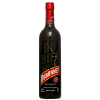
Dubonnet Blanc
Alcoholic (~14% ABV) Wines & Fortified Wines
Dubonnet Blanc is a French aromatized aperitif wine with citrus and botanical notes, offering a refreshing profile with gentle bitterness.
Flavor & Technical
This section summarizes the sensory balance and technical behavior of Dubonnet Blanc when used in cocktails, combining perceived flavor intensity with functional roles.
Flavor balance and intensity
Technical characteristics
How Dubonnet Blanc works in cocktails
Dubonnet Blanc is analyzed here as a working cocktail ingredient: how it changes flavor, what role it plays in a build, when it should be substituted, and which recipe patterns it supports.
Flavor role in cocktail balance
Dubonnet Blanc presents a bright, aperitif-style aromatized wine profile with citrus freshness, floral-herbal aromatics, and gentle quinine-like bitterness. Sweetness remains restrained and supportive, while acidity and the wine's natural sharpness provide lift and clarity. Compared to more assertive quinquina-style aperitifs, it is softer and rounder; compared to dry vermouth , it is less austere and more floral.
Best uses behind the bar
Dubonnet Blanc functions as an aromatized wine modifier to add citrus brightness, gentle bitterness, and floral botanicals. It supports aperitif-style and spirit-forward structures, provides lift in low-ABV builds, and can replace other white aromatized wines when a softer, more rounded quinine profile is desired.
Substitutes in cocktail builds
Lillet Blanc and Cocchi Americano can substitute for Dubonnet Blanc, offering similar citrus and botanical character. Cocchi Americano typically brings higher bitterness and a more quinine-forward profile, while Lillet Blanc tends to be rounder and slightly sweeter, resulting in softer overall balance.
Production and style context
Dubonnet Blanc belongs to the Dubonnet family of French aperitifs created in the mid-19th century by Joseph Dubonnet. Originally developed to make quinine more palatable, it later became a widely enjoyed aperitif and a staple aromatized wine modifier in mixed drinks.
Mixology notes
Dubonnet was first produced in 1846 and remains one of the oldest aperitif wines still in production. Its historical use of quinine links it to the tradition of medicinal wines, while its enduring popularity reflects its approachable balance of citrus, botanicals, and gentle bitterness.
Brand disclaimer
This page includes Dubonnet Blanc as an example of a branded ingredient for reference and classification purposes. Fizzando operates independently and has no commercial relationship with the brand or its producer. Brand names and trademarks are used solely to identify the products discussed.